
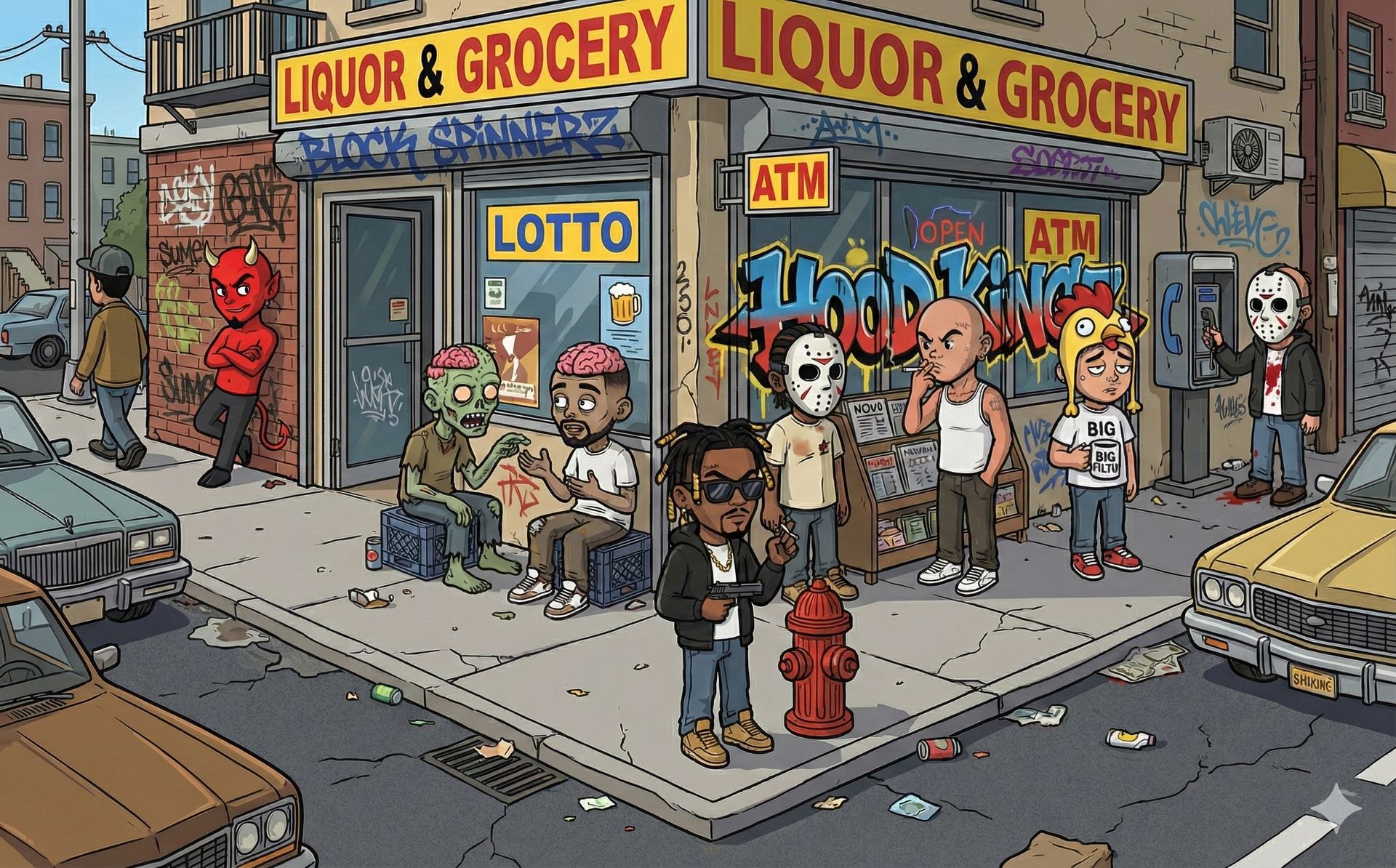
Two assets. One machine.
Crime World is a closed-loop economy built on $CRIMESZN — a fixed-supply token — and GhettoBabyz, a hand-drawn NFT collection with on-chain bloodline provenance. Every mint burns tokens. Every trade feeds the buyback. Activity on either asset compounds value into the other.
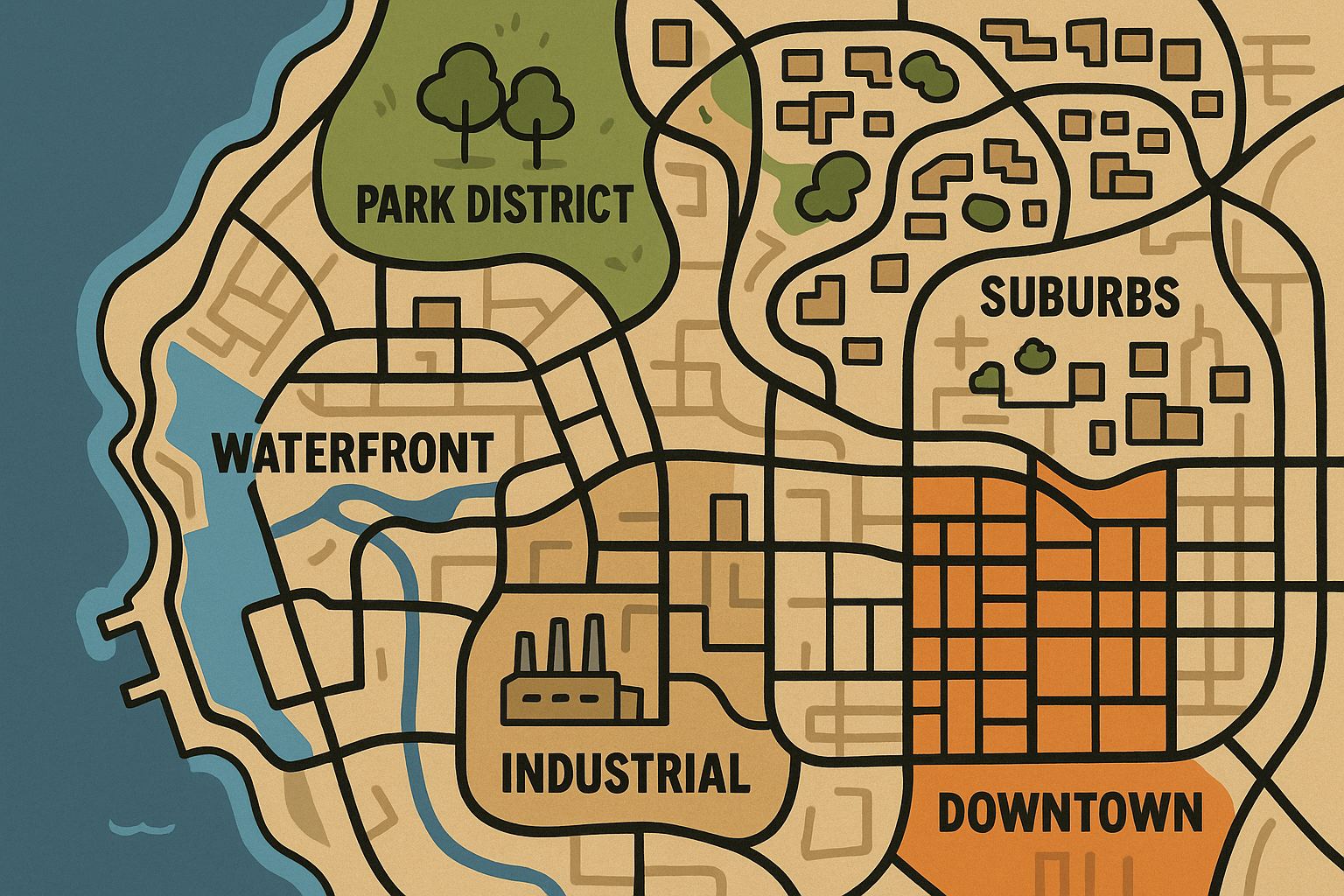
Welcome to
New Gotham
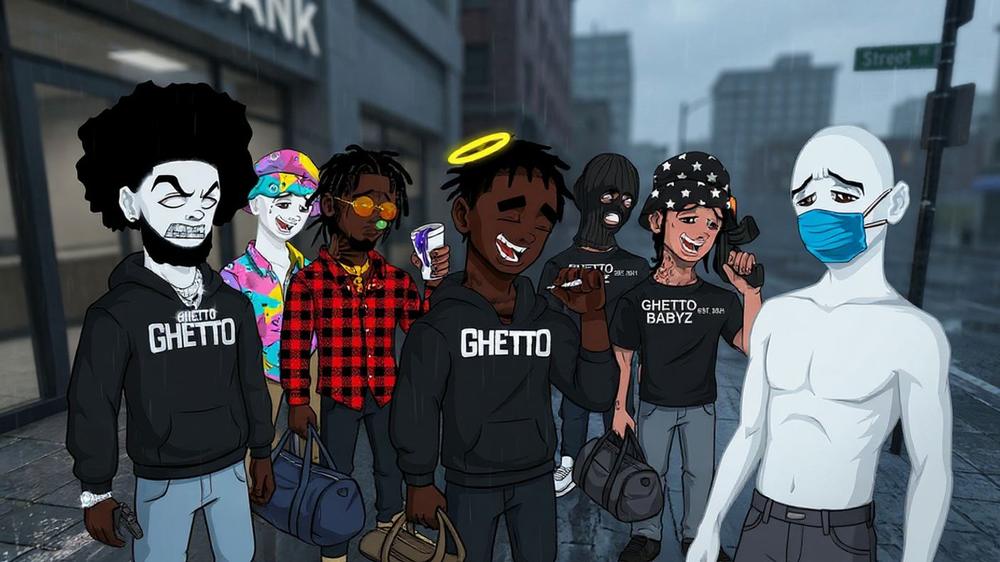
Five districts. Endless hustle.
A life of crime pays.
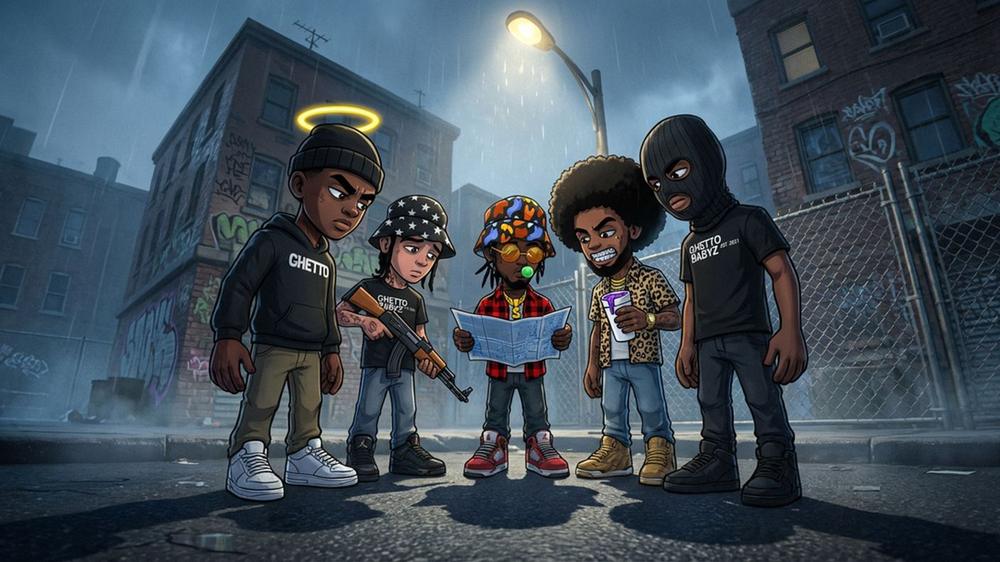
Heists
Assemble a crew, case the target, and split the take — if nobody snitches.
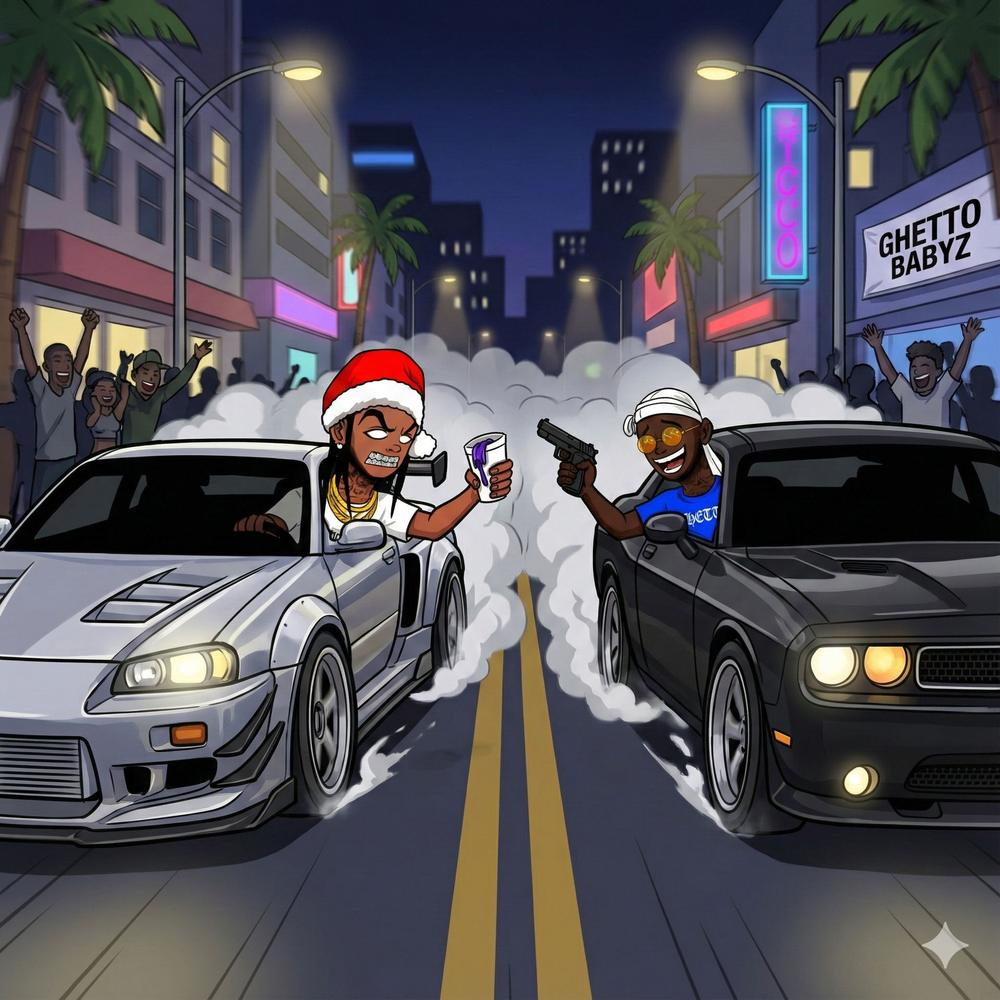
Street Racing
Burn rubber through New Gotham. Pink slips, side bets, no brakes.

PVP
Settle beef head-to-head. Winner takes the pot, loser takes the L on-chain.
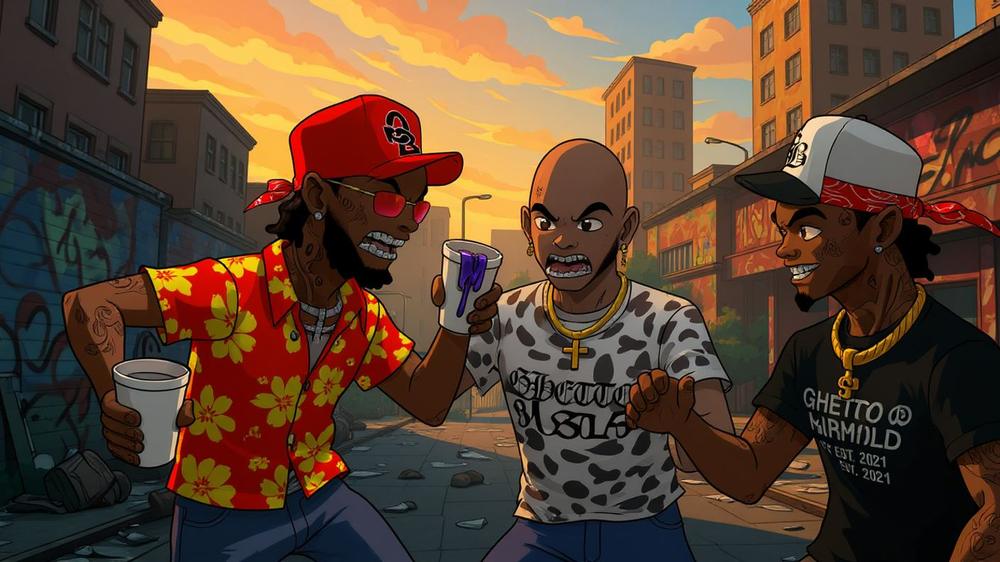
Turf Wars
Claim blocks, defend territory, and tax everything that moves through it.
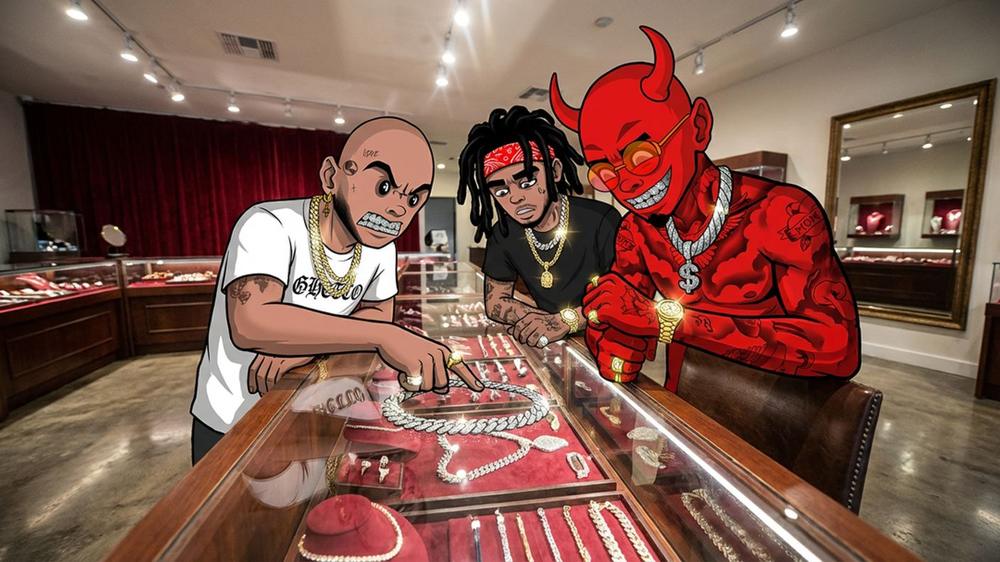
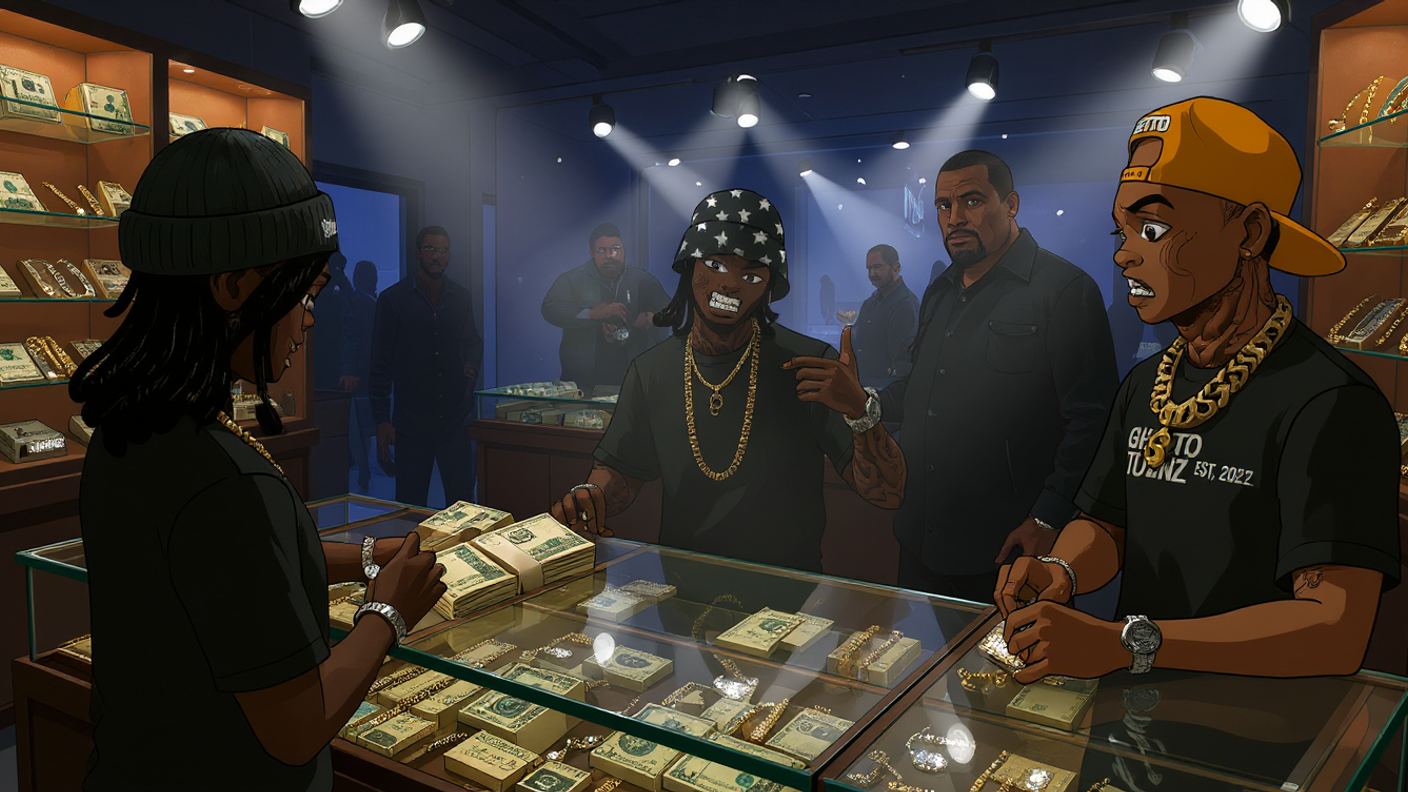
Shops & Ice
Stack jewelry, gear, and upgrades. Looking rich is half the job.
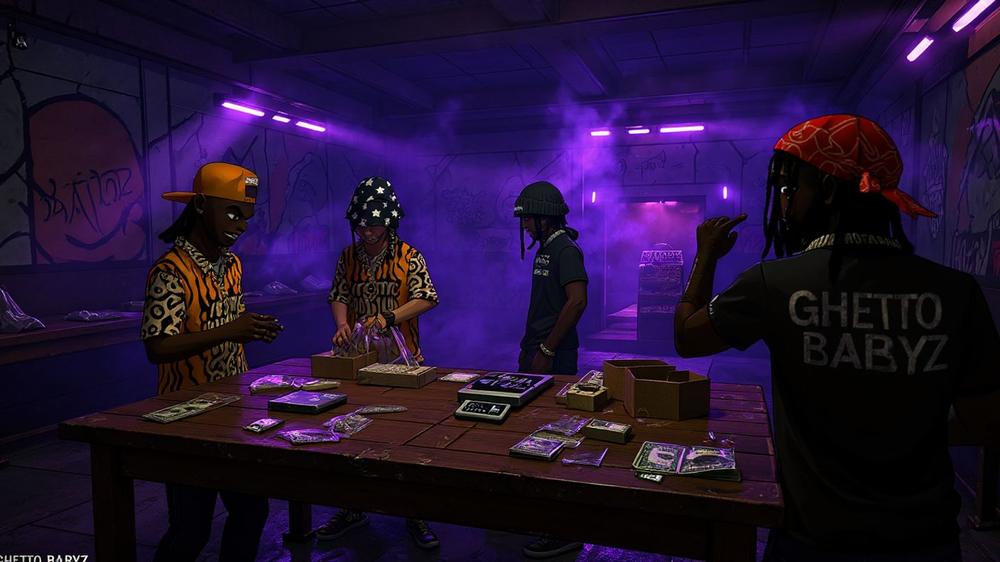
Dope Grind
Buy low, move product, sell high. Watch the corners — cops are everywhere.
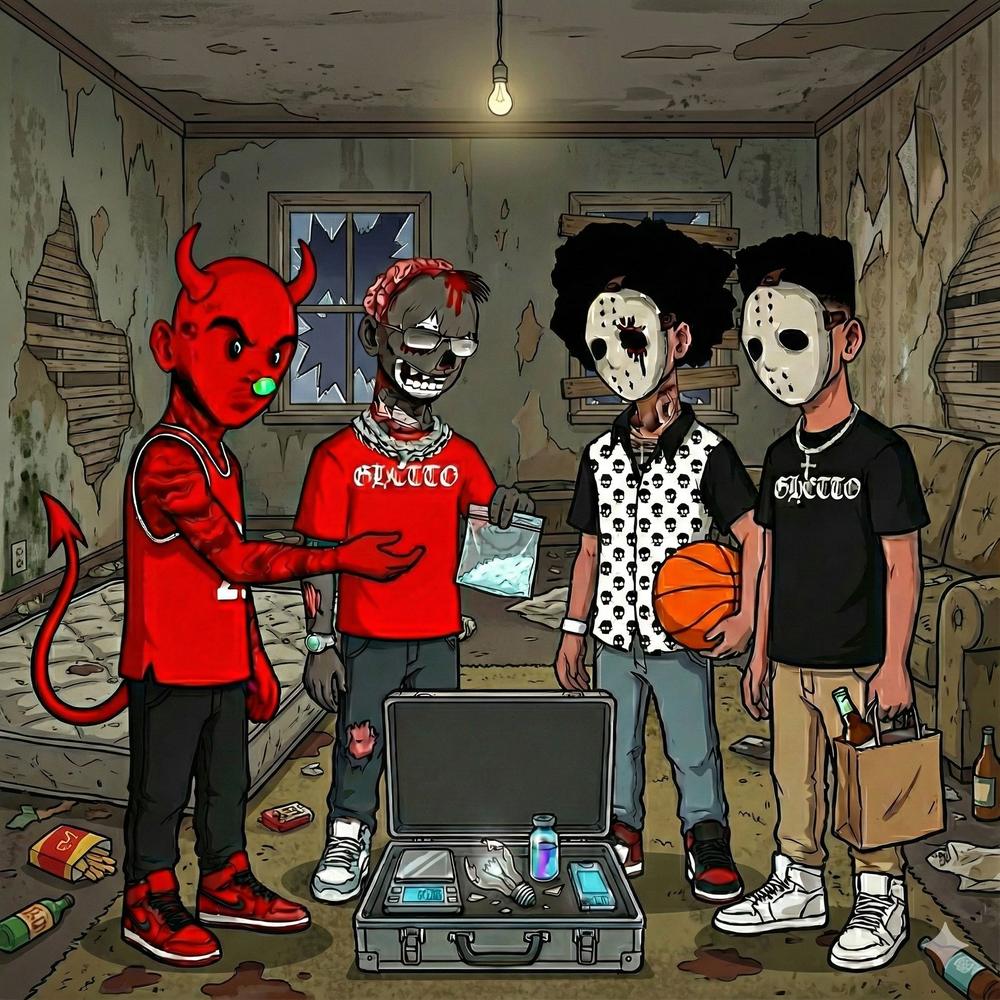
Break-Ins
Crack the safehouse, clean out the stash, and vanish before sunrise.
Delivery Runs
Move packages across town. Fast hands, faster wheels, no questions.
Cops, safehouses, business robberies, lookout jobs — the city never sleeps.
Explore Crime WorldThe token burns. The babyz trade.
$CRIMESZN
Fixed 1B supply, launched fair on blast.fun. No inflation, no emissions, no staking gimmicks. Its scarcity is decided by one thing: how hard the city plays. Mints burn it. Royalties buy it back.
* if the collection fully mints out
GhettoBabyz
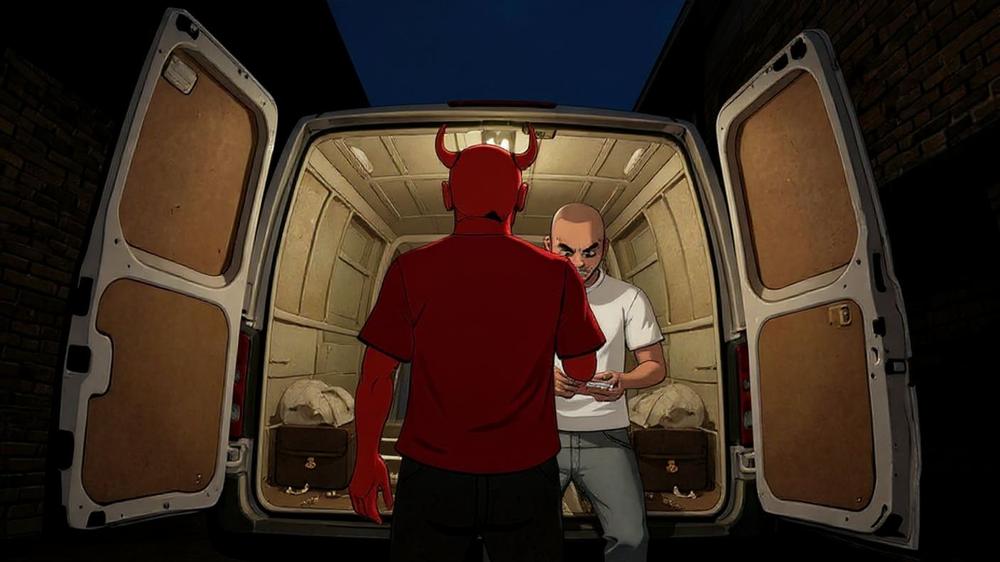
~10,000 hand-drawn citizens of New Gotham. Minting one costs 100,000 $CRIMESZN — and 67.67% of that is burned forever. Each piece carries a 20-slot passport that pays royalties to everyone who held it before you.
The flywheel never stops.
Mint a GhettoBaby
100K $CRIMESZN in — 67.67% burned forever
Treasury sweeps the floor
32.33% funds GhettoBabyz floor buys
Floor rises, volume grows
Secondary sales grow in $ terms
Royalties buy back the token
1% of every sale bids on $CRIMESZN
Supply shrinks, price firms
Next mint burns more $ value
The wheel turns again
Every loop is heavier than the last
The more the city is used, the scarcer the token becomes, the higher the floor goes, and the more historical holders get paid. The loop is closed.
Sell early. Get paid forever.
Every GhettoBaby is born with a blank passport holding 20 stamp slots. When the NFT leaves your wallet, you stamp it — the act of exit locks your position in its royalty cap table.
On every future sale, a bloodline tax of up to 20% is split across all historical stampers — earlier stamps earn more, forever. It’s a deliberate inversion of the diamond-hands meta: the collection rewards motion, not hoarding.
The seller stamps
Exit is what earns you the slot — not entry.
Geometric decay
Each stamp earns ~10% less than the one before.
Up to 20% tax
Distributed across all historical stampers.
1% to treasury
Funds the $CRIMESZN buyback on every sale.
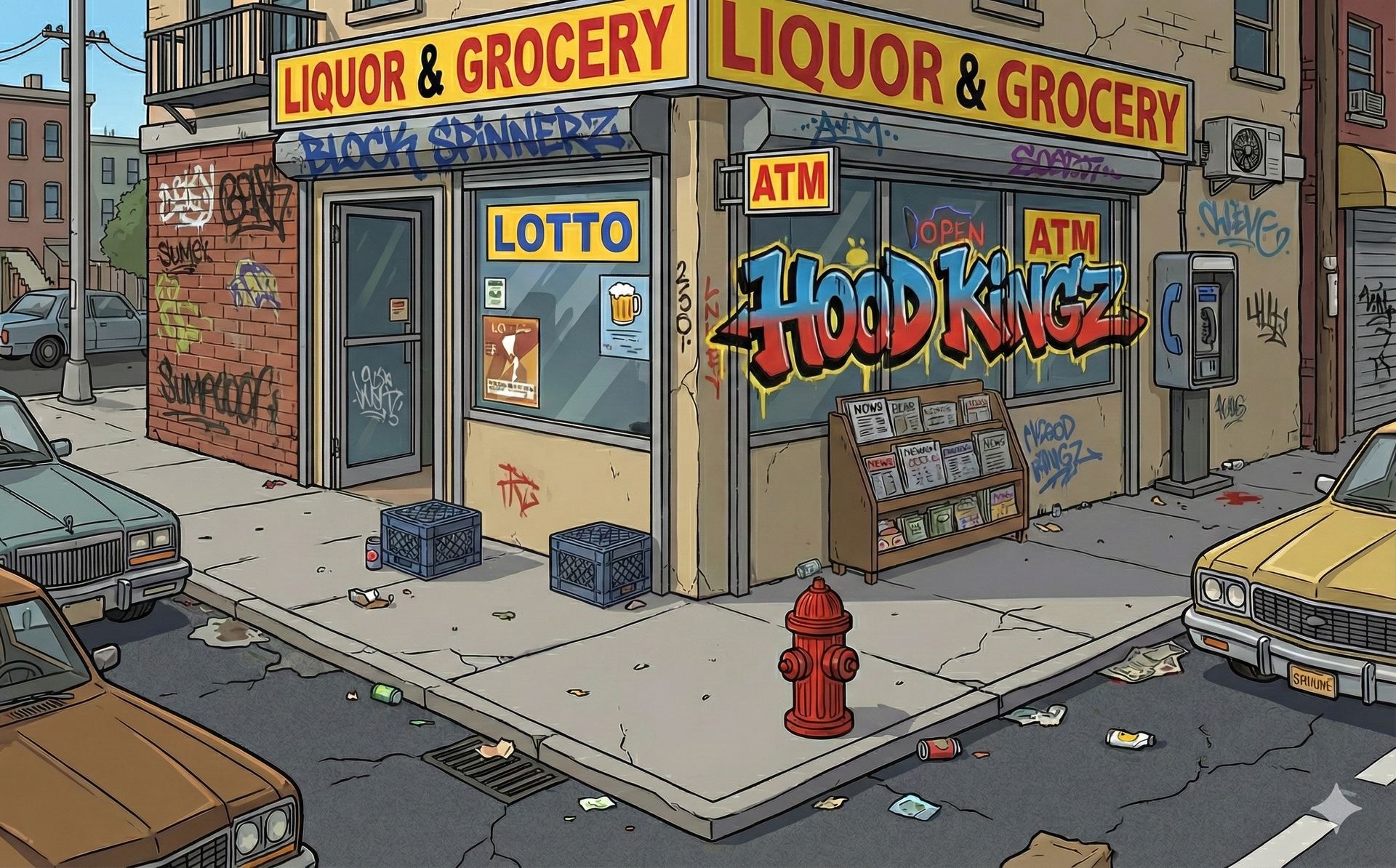
“In New Gotham, loyalty is rented.
Provenance is forever.”

Transmission incoming · · ·
The games are
just beginning
A full Crime World experience is in development
The roadmap.
Some stops are public. Some you’ll find out about when the city does.
$CRIMESZN Launch
Fair launch on blast.fun. 1B fixed supply hits the streets of Sui.
Crime World: Telegram
Heists, turf wars, street racing, dope grind, PVP — the city goes live in your pocket.
GhettoBabyz Mint
Staged burn-on-mint drops. 100K $CRIMESZN per baby, 67.67% burned forever.
The Game
The full Crime World experience. New Gotham, rendered. That’s all we can say.
???
REDACTED-REDACTED-REDACT
???
REDACTED-REDACT-REDACTED-RE